
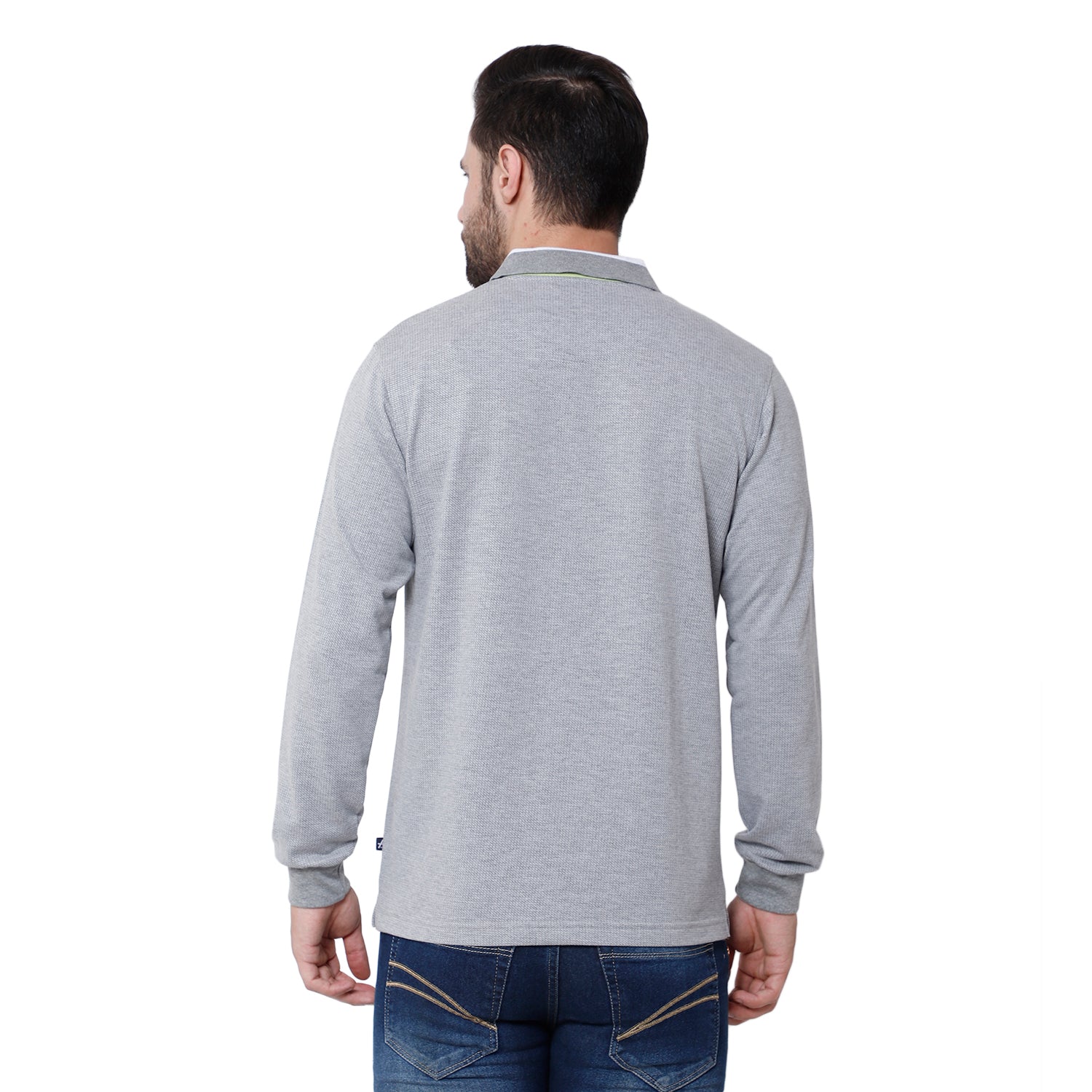

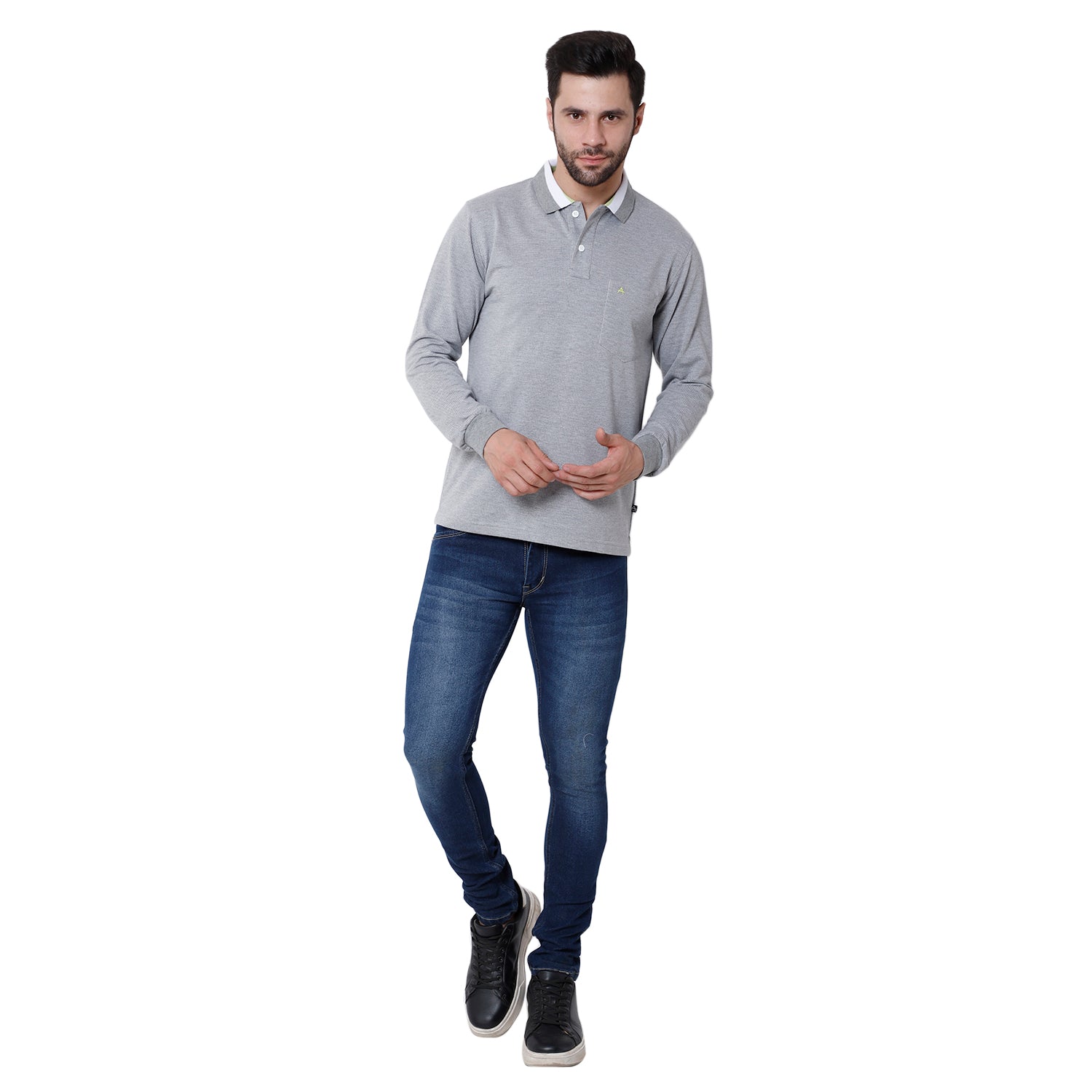

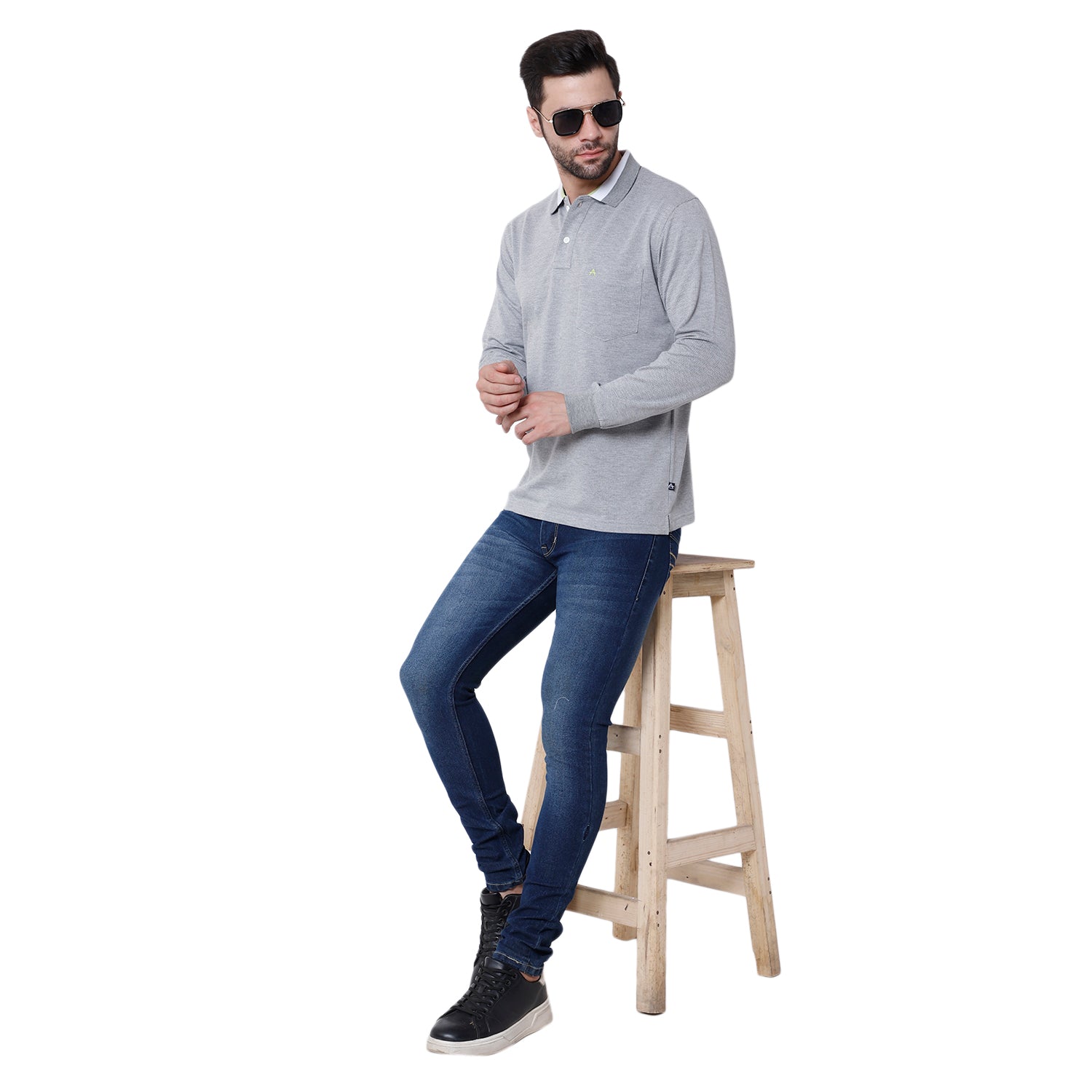

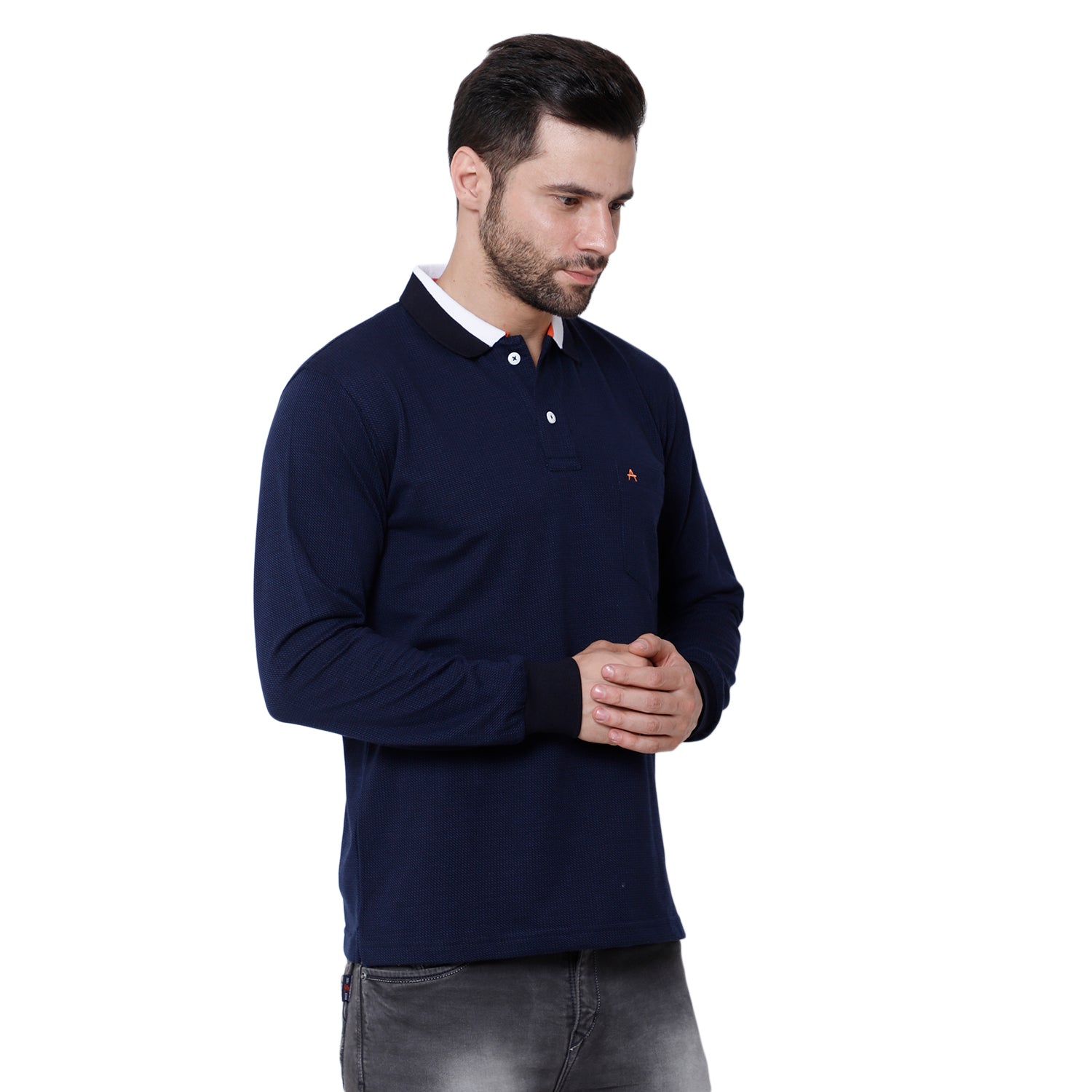

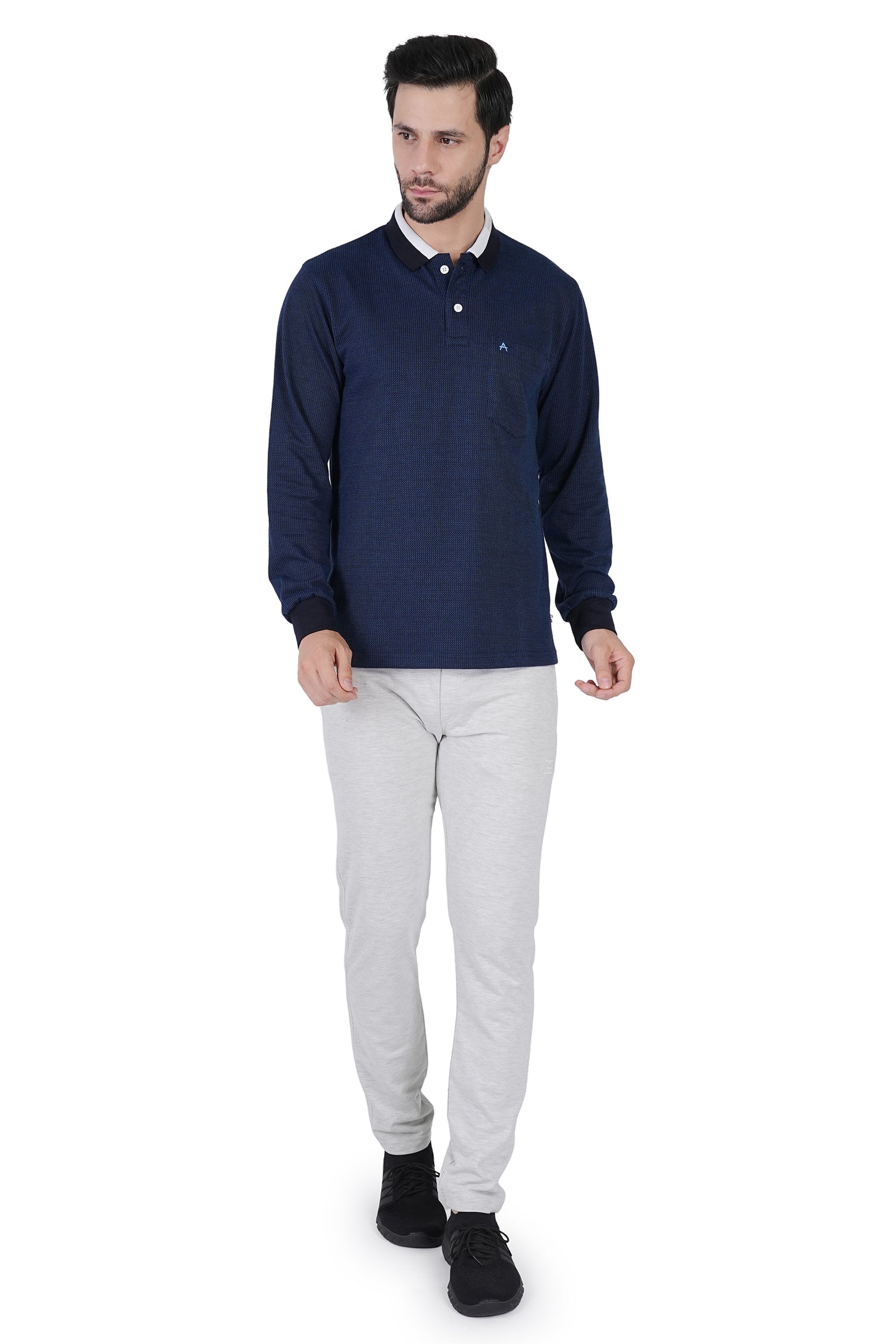


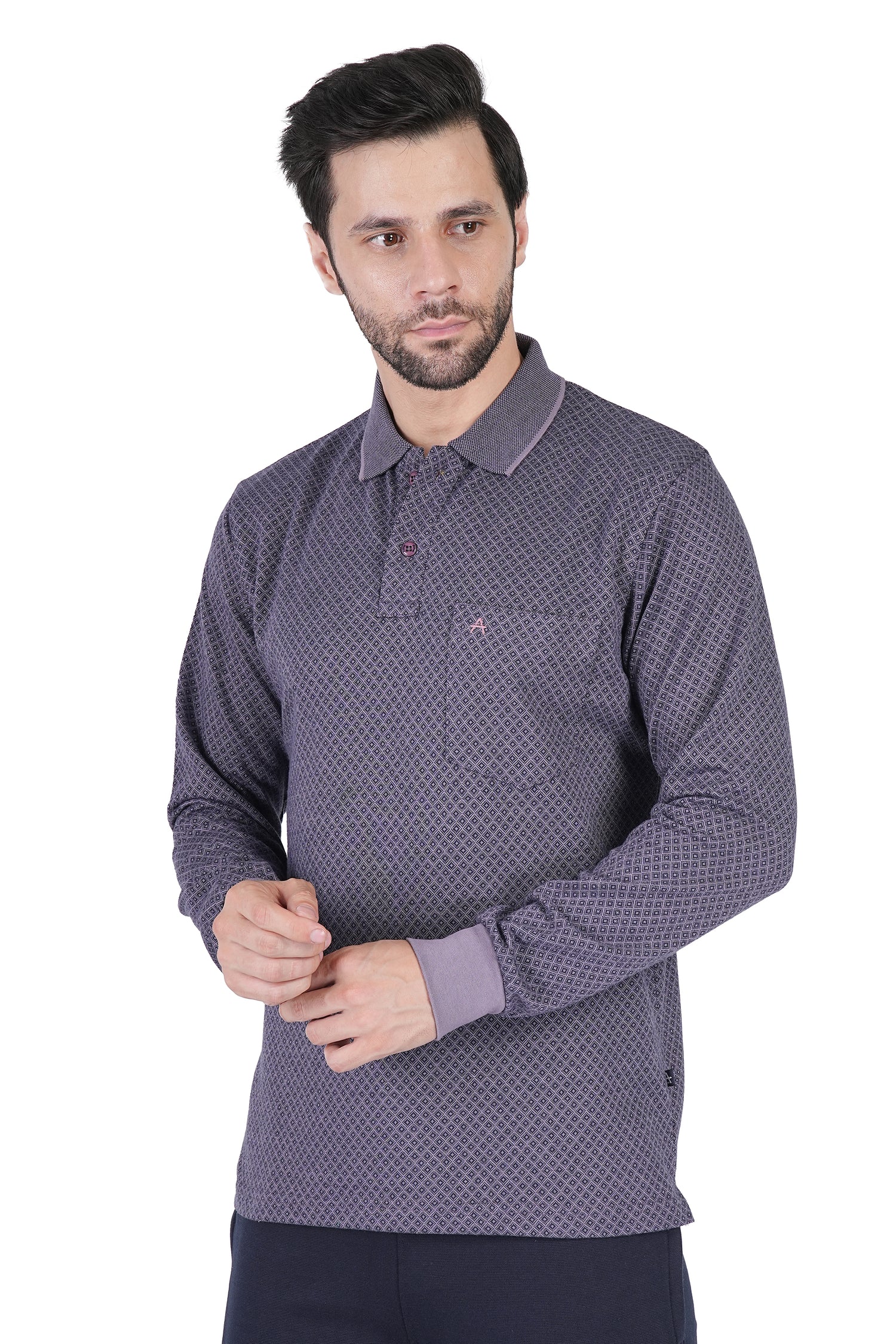

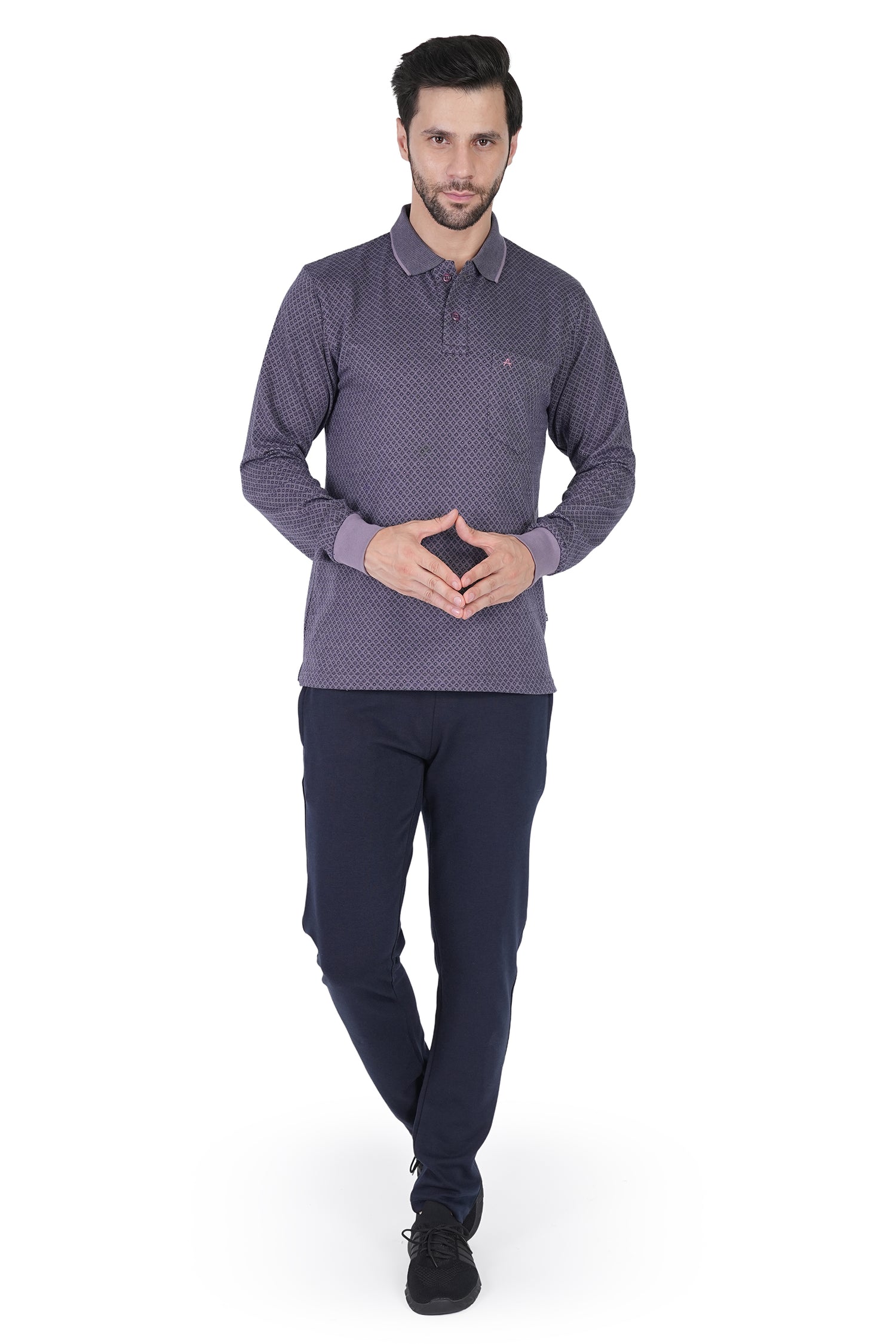


The Indian men's fashion market has exploded into a ₹3.2 lakh crore industry, and it's growing faster than ever before. Young professionals in Bangalore are spending ₹5,000-10,000 monthly on clothing. College students in Delhi are ordering trendy shirts online every week. Even men in smaller cities like Indore and Coimbatore are becoming style-conscious, shopping for branded jeans and formal wear. This massive shift in men's shopping habits has created golden opportunities for new entrepreneurs.
Starting a men's clothing business today means entering a market where customers are ready to spend. The average Indian man now owns 15-20 shirts compared to just 5-7 a decade ago. Online shopping has made it easier than ever to reach customers from Kashmir to Kanyakumari. But here's what most people don't realize: while the opportunity is huge, launching without proper planning can drain your savings faster than a Mumbai local train.
Many aspiring entrepreneurs jump into the men's fashion business with big dreams but little preparation. They invest lakhs in inventory that doesn't sell. They choose the wrong suppliers and get stuck with poor-quality products. They burn money on ineffective marketing. This guide will show you exactly how to launch a successful men's clothing business while avoiding these expensive mistakes.
Whether you're planning to start a clothing brand from your home in Pune or open a boutique in Chennai, this step-by-step guide covers everything. You'll learn how to start with as little as ₹50,000 or scale up with ₹10 lakhs. Most importantly, you'll discover proven strategies that successful Indian clothing brands use to grow from zero to profitable businesses.
Understanding the Indian Men's Fashion Market
Current Market Trends
The Indian men's wear business landscape has transformed dramatically. Here's what's driving growth:
-
Rising disposable income: Urban men aged 25-40 spend 8-12% of their income on clothing
-
Work-from-home culture: Increased demand for comfortable casuals and athleisure
-
Social media influence: Instagram and YouTube creating new fashion trends monthly
-
Regional preferences: Different styles popular in different cities
-
Festival shopping: Massive sales during Diwali, Dussehra, and wedding seasons
Market Size and Growth
|
Category |
Market Value (2026) |
Expected Growth |
|
Formal Wear |
₹85,000 crores |
12% annually |
|
Casual Wear |
₹1,20,000 crores |
18% annually |
|
Ethnic Wear |
₹45,000 crores |
15% annually |
|
Sportswear |
₹35,000 crores |
22% annually |
Choosing Your Business Model
Popular Business Models for Men's Clothing
Online-Only Store
-
Investment: ₹50,000 - ₹2 lakhs
-
Best for beginners with limited capital
-
Can operate from home
Physical Retail Store
-
Investment: ₹5 lakhs - ₹20 lakhs
-
Higher overhead but better profit margins
-
Location crucial for success
Hybrid Model (Online + Offline)
-
Investment: ₹3 lakhs - ₹15 lakhs
-
Captures both customer segments
-
More complex to manage
Dropshipping Model
-
Investment: ₹20,000 - ₹1 lakh
-
No inventory management
-
Lower profit margins
Private Label Manufacturing
-
Investment: ₹10 lakhs+
-
Complete control over quality
-
Higher profit potential
Step-by-Step Guide to Launch Your Business
Step 1: Conduct Market Research
Before investing a single rupee, understand your market:
-
Visit local markets in your city (Karol Bagh in Delhi, Linking Road in Mumbai)
-
Study successful brands like Mufti, Louis Philippe, and Peter England
-
Survey 50-100 potential customers about their preferences
-
Analyze online shopping patterns on Myntra and Amazon
-
Check Google Trends for popular search terms
Step 2: Define Your Niche
Successful apparel startup owners focus on specific segments:
Popular Niches:
-
Premium formals for corporate professionals
-
Trendy casuals for college students
-
Traditional wear for festivals
-
Plus-size men's clothing
-
Sustainable/eco-friendly fashion
-
Regional specialty wear
Step 3: Create a Business Plan
Your clothing business plan should include:
Executive Summary
-
Business concept in 2-3 paragraphs
-
Unique selling proposition
Market Analysis
-
Target customer profile
-
Competition analysis
-
Market size in your area
Financial Projections
-
Startup costs
-
Monthly expenses
-
Revenue targets
-
Break-even timeline
Marketing Strategy
-
Online and offline channels
-
Budget allocation
-
Customer acquisition cost
Step 4: Legal Requirements and Registration
Essential registrations for your men's clothing business:
-
GST Registration (mandatory for turnover above ₹20 lakhs)
-
Shop Act License (for physical stores)
-
MSME Registration (for benefits and subsidies)
-
Trademark Registration (₹9,000 for brand protection)
-
Import-Export Code (if sourcing internationally)
Step 5: Source Products and Suppliers
Manufacturing Hubs in India:
|
City |
Specialty |
Minimum Order |
|
Tirupur |
T-shirts, Polos |
200 pieces |
|
Ludhiana |
Woollens, Jackets |
100 pieces |
|
Surat |
Synthetic fabrics |
300 meters |
|
Mumbai |
Designer wear |
50 pieces |
|
Delhi NCR |
All categories |
100 pieces |
Supplier Selection Tips:
-
Visit manufacturers personally
-
Check fabric quality with wash tests
-
Negotiate payment terms (30-45 days credit)
-
Start with small trial orders
-
Build relationships with 3-4 reliable suppliers
Step 6: Design Your Brand Identity
Creating a strong brand for your online clothing store:
-
Brand Name: Easy to pronounce, memorable
-
Logo Design: Professional look (₹5,000-15,000)
-
Colour Scheme: Reflects your brand personality
-
Tagline: Clear value proposition
-
Packaging: Branded poly mailers (₹8-15 per piece)
Investment Requirements and Profit Potential
Detailed Startup Costs
Small Scale (Online Only):
-
Website development: ₹25,000-50,000
-
Initial inventory: ₹50,000-1 lakh
-
Marketing budget: ₹20,000-30,000
-
Packaging/shipping: ₹10,000
-
Total: ₹1.5-2.5 lakhs
Medium Scale (Small Store):
-
Shop deposit/rent: ₹1-3 lakhs
-
Interior setup: ₹2-4 lakhs
-
Initial inventory: ₹3-5 lakhs
-
Staff salary: ₹30,000/month
-
Marketing: ₹50,000
-
Total: ₹7-15 lakhs
Expected Profit Margins
|
Product Type |
Cost Price |
Selling Price |
Profit Margin |
|
Basic T-shirt |
₹150-200 |
₹400-600 |
60-70% |
|
Formal Shirt |
₹300-400 |
₹800-1,200 |
65-70% |
|
Jeans |
₹400-600 |
₹1,200-2,000 |
70-75% |
|
Ethnic Kurta |
₹250-350 |
₹700-1,200 |
65-70% |
Building Your Online Presence
Creating an E-commerce Website
Essential features for how to sell men's clothing online:
-
Mobile-responsive design (70% traffic is mobile)
-
Fast loading speed (under 3 seconds)
-
Multiple payment options (UPI, cards, COD)
-
Size charts and fitting guides
-
Customer reviews section
-
WhatsApp integration for queries
Platform Options:
-
Shopify: ₹1,500/month (easiest)
-
WooCommerce: ₹500/month (flexible)
-
Custom development: ₹50,000+ (unique features)
Marketplace Selling
Start selling immediately on:
-
Amazon: 16.5% commission + GST
-
Flipkart: 15-20% commission
-
Myntra: 20-25% commission
-
Ajio: 18-22% commission
-
Meesho: 0-5% commission
Marketing Your Men's Fashion Business
Digital Marketing Strategy
Effective fashion brand marketing channels:
Social Media Marketing
-
Instagram: Daily posts, reels, stories
-
Facebook: Targeted ads (₹50-200 per sale)
-
YouTube: Style tips and product reviews
Google Ads
-
Search campaigns: ₹20-50 per click
-
Shopping ads: 15-20% ROI
-
Display remarketing: ₹5-15 per click
Content Marketing
-
Fashion blog posts
-
Styling guides
-
Seasonal lookbooks
Influencer Collaborations
-
Micro-influencers: ₹5,000-20,000 per post
-
Macro-influencers: ₹50,000+ per post
-
Barter collaborations for startups
Offline Marketing Ideas
-
Pop-up stores in malls (₹20,000-50,000/weekend)
-
College festival sponsorships
-
Local fashion shows participation
-
Referral programs (10-15% commission)
-
Loyalty cards for repeat customers
Common Mistakes to Avoid
-
Overstocking inventory - Start small, test demand
-
Ignoring quality control - Every defect costs reputation
-
Underpricing products - Customers doubt cheap quality
-
Poor customer service - Respond within 2 hours
-
Neglecting returns policy - Offer easy 7-day returns
-
Copying established brands - Build unique identity
-
Ignoring customer feedback - Reviews drive improvement
-
Inadequate capital planning - Keep 6 months buffer
-
Seasonal planning failure - Stock festival wear early
-
Not tracking metrics - Monitor sales, costs, profits daily
Scaling Your Business
Growth Strategies
Once profitable, expand through:
-
Product line extension: Add accessories, footwear
-
Geographic expansion: Target tier-2, tier-3 cities
-
Franchise model: ₹10-25 lakh investment per store
-
B2B sales: Supply to retailers
-
Export opportunities: Middle East, Southeast Asia markets
Frequently Asked Questions
Q1: How much money do I need to start a men's clothing business in India?
You can start an online men's clothing business with ₹50,000-1 lakh. For a physical store, budget ₹5-10 lakhs minimum.
Q2: Is a men's clothing business profitable in India?
Yes, with 60-75% profit margins and growing demand, it's highly profitable when managed well.
Q3: Do I need GST registration for an online clothing business?
GST is mandatory if annual turnover exceeds ₹20 lakhs (₹10 lakhs in special category states).
Q4: Which is better - manufacturing or reselling?
Reselling requires less investment (₹50,000+) while manufacturing needs ₹10 lakhs+ but offers better margins.
Q5: How do I find reliable clothing suppliers in India?
Visit manufacturing hubs like Tirupur, use IndiaMart, attend garment trade fairs, or get references from other sellers.
Q6: What licenses are required for a clothing business?
Essential licenses include GST registration, Shop Act license (for stores), and MSME registration for benefits.
Q7: How can I compete with big brands?
Focus on niche markets, offer personalized service, maintain quality, and build strong local presence.
Q8: Which city is best for starting a men's clothing business?
Metro cities offer larger markets but higher competition. Tier-2 cities like Pune and Indore have growing demand with less competition.
Q9: Should I start with an online or offline store?
Start online to test the market with lower investment, then expand offline once profitable.
Q10: How long before the business becomes profitable?
With proper planning, expect break-even in 6-12 months and steady profits from year two.
Conclusion
The journey of building a successful men's fashion business begins with taking that first step. You now have the complete roadmap – from choosing your niche to scaling nationwide. The Indian men's fashion market is waiting for fresh ideas and quality products.
Brands like SK Enterprise - Athlet started small but grew by focusing on quality and understanding customer needs. They prove that with dedication and smart strategies, any entrepreneur can build a thriving apparel startup.
The best time to start was yesterday. The second-best time is today. Whether you begin with a small online store or plan a bigger venture, the market is ready for your unique vision.
Don't let analysis paralysis stop you. Pick your niche, start with whatever capital you have, and build your dream men's clothing business step by step. Your future customers are waiting.
Shop Now and explore what's trending, or better yet, start creating the trends yourself. Your fashion empire begins with a single decision – make it today!

